

General Surgery

  • Home
  • General Surgery
image
image

Welcome to the General Surgery department at Shri Sai Hospital! Our team of highly qualified and experienced surgeons is committed to providing our patients with the best possible care. We offer a wide range of surgical treatments for conditions related to the abdomen, breast, skin, and other body areas. Our department is led by Dr. Sameer Gupta, a renowned surgeon with over 20 years of experience in the field. Dr. Gupta is supported by a team of skilled and dedicated surgeons who share his commitment to providing compassionate and personalized care to our patients.

What types of surgeries do you perform?

At Shri Sai Hospital, we perform a wide range of surgeries across different specialties. Our services include:

  • Appendectomy: This is the surgical removal of the appendix, usually due to acute appendicitis, an inflammation of the appendix. The procedure is typically performed using a laparoscopic technique, which involves making small incisions and using a camera and surgical instruments to remove the appendix.
  • Cholecystectomy: his is the surgical removal of the gallbladder, usually due to gallstones or gallbladder inflammation. The procedure can be performed using a laparoscopic or open technique, depending on the patient's condition and other factors.
  • Colectomy: This is the surgical removal of part or all of the colon, usually due to colon cancer, inflammatory bowel disease, or other conditions. The procedure can be performed using a laparoscopic or open technique, depending on the extent of the surgery and other factors.
  • Gastrectomy: This is the surgical removal of part or all of the stomach, usually due to stomach cancer or other conditions. The procedure can be performed using a laparoscopic or open technique, depending on the extent of the surgery and other factors.
  • Hysterectomy: This is the surgical removal of the uterus, usually due to uterine fibroids, endometriosis, or other conditions. The procedure can be performed using various techniques, including laparoscopic or robotic-assisted techniques.
  • Lumpectomy/mastectomy: These are surgical procedures used to treat breast cancer by removing either a portion of the breast (lumpectomy) or the entire breast (mastectomy). The procedure can be performed using different techniques, including breast-conserving surgery or nipple-sparing mastectomy.
  • Lymph node dissection: This is a surgical procedure used to remove lymph nodes, usually due to the presence of cancer cells. The procedure can be performed using a range of techniques, depending on the location of the lymph nodes and other factors.
  • Nephrectomy:This is the surgical removal of one or both kidneys, usually due to kidney cancer, severe kidney damage, or infection. The procedure can be performed using a laparoscopic or open technique, depending on the extent of the surgery and other factors.
  • Ophorectomy: This is the surgical removal of one or both ovaries, usually due to ovarian cancer, ovarian cysts, or other conditions. The procedure can be performed using a laparoscopic or open technique, depending on the extent of the surgery and other factors.
  • Prostatectomy: This is the surgical removal of the prostate gland, usually due to prostate cancer or an enlarged prostate. The procedure can be performed using different techniques, including open, laparoscopic, or robotic-assisted surgery.
  • Thyroidectomy: This is the surgical removal of part or all of the thyroid gland, usually due to thyroid cancer, hyperthyroidism, or goiter. The procedure can be performed using various techniques, including open surgery or minimally invasive techniques, such as endoscopic thyroidectomy.
Procedure Medical Condition(s)
Appendectomy Appendicitis
Cholecystectomy Gallstones, gallbladder inflammation
Colectomy Colon cancer, Crohn's disease, ulcerative colitis
Coronary artery bypass grafting (CABG) Coronary artery disease, angina
Gastrectomy Stomach cancer, ulcers
Hysterectomy Uterine fibroids, endometriosis, uterine prolapse
Lumpectomy/mastectomy Breast cancer
Lymph node dissection Melanoma, breast cancer, prostate cancer
Mastoidectomy Chronic otitis media, cholesteatoma
Nephrectomy Kidney cancer, severe kidney damage or infection
Oophorectomy Ovarian cancer, ovarian cysts
Prostatectomy Prostate cancer, enlarged prostate
Thyroidectomy Thyroid cancer, hyperthyroidism, goiter

Surgical procedures at Shri Sai Hospital.

During Surgery:

The specifics of your surgical procedure will depend on the type of Surgery you are having, as well as your individual medical needs and preferences. However, here are some general things you can expect during your surgical procedure at Shri Sai Hospital:

  • You will be prepped for Surgery and taken to the operating room.
  • You will be given anesthesia.
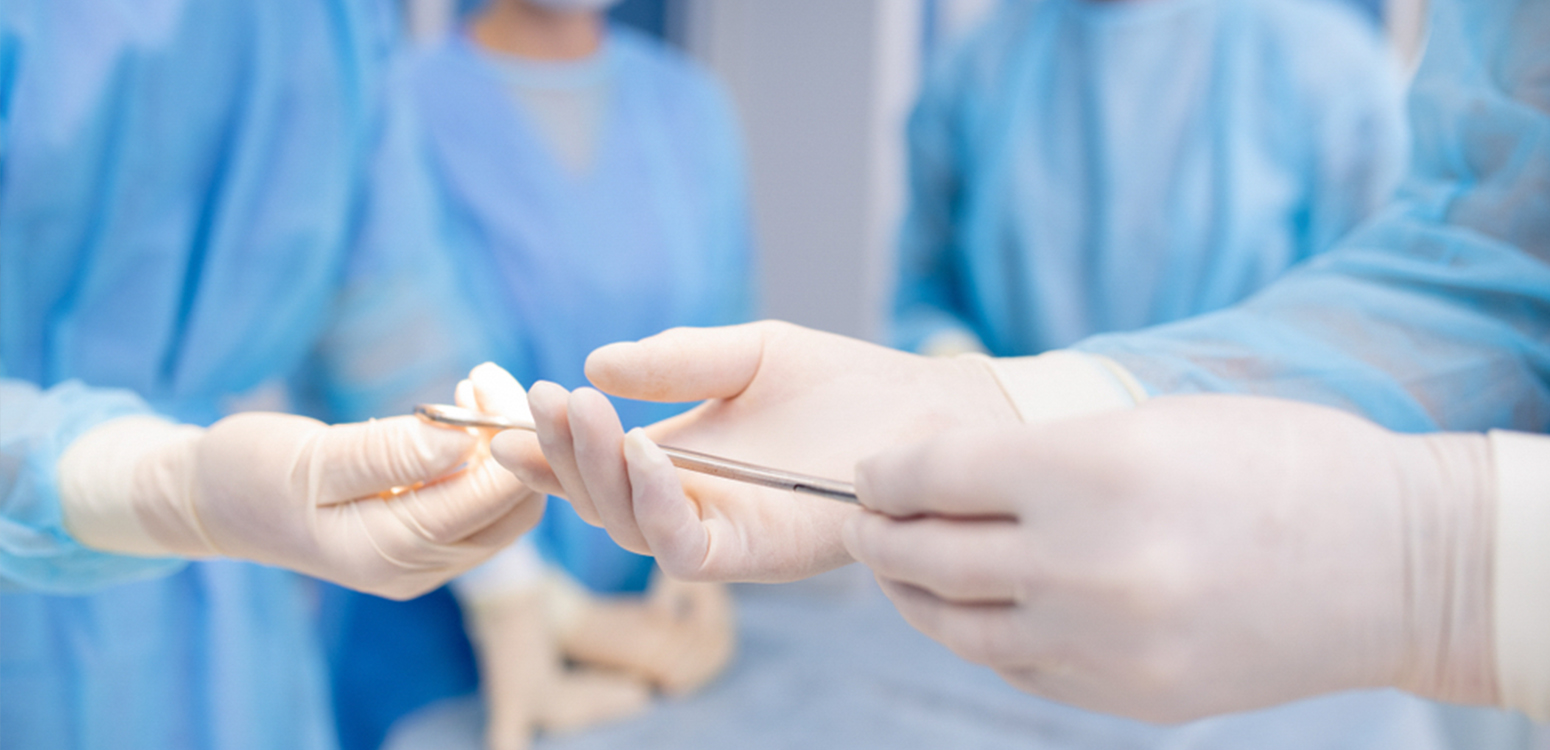
  • The surgical team will perform the necessary procedures.
  • After the Surgery, you will be taken to the recovery room, where you will be monitored until you are ready to be discharged or transferred to a hospital room.

After Surgery:

Here are some general things you can expect after your Surgery at Shri Sai Hospital:

  • You will be taken to the recovery room, where you will be monitored.
  • Once you are stable, you may be discharged or transferred to a hospital room.
  • You will receive instructions on how to care for yourself at home, including any necessary medications, wound care, and follow-up appointments.
  • Our team will be available to answer any questions and provide support as needed.

Why choose Shri Sai Hospital for General Surgery treatments?

I appreciate your interest in the General Surgery department at Shri Sai Hospital. We are committed to providing our patients with the best surgical care in a safe and supportive environment. If you have any questions or would like to schedule a consultation with one of our surgeons, please do not hesitate to contact us using the information below:

Our Surgery department is open from Monday to Saturday, from 9:00 am to 5:00 pm. If you require urgent surgical care outside of our regular business hours, please get in touch with our Emergency department at the following number: +91-XXX-XXXXXXX.

Most surgeries will leave some level of scarring. However, modern surgical techniques aim to minimize scarring as much as possible. Your surgeon will discuss scarring with you during your consultation and provide you with options for minimizing it.

Our support team will be with you every step of the way during your recovery. If you require additional support, we offer a range of services, such as physical therapy, occupational therapy, and psychological support, to aid your recovery process.

If you experience any complications after your Surgery, such as fever, bleeding, or increased pain, contact your surgeon immediately or go to the emergency department.

The timeline for returning to normal activities will depend on the type of Surgery you undergo and your recovery progress. Your surgeon will provide specific guidelines and recommendations for resuming normal activities.

The coverage for surgery costs will depend on your insurance plan. We encourage you to contact your insurance provider to understand what is covered and any out-of-pocket costs you may incur.